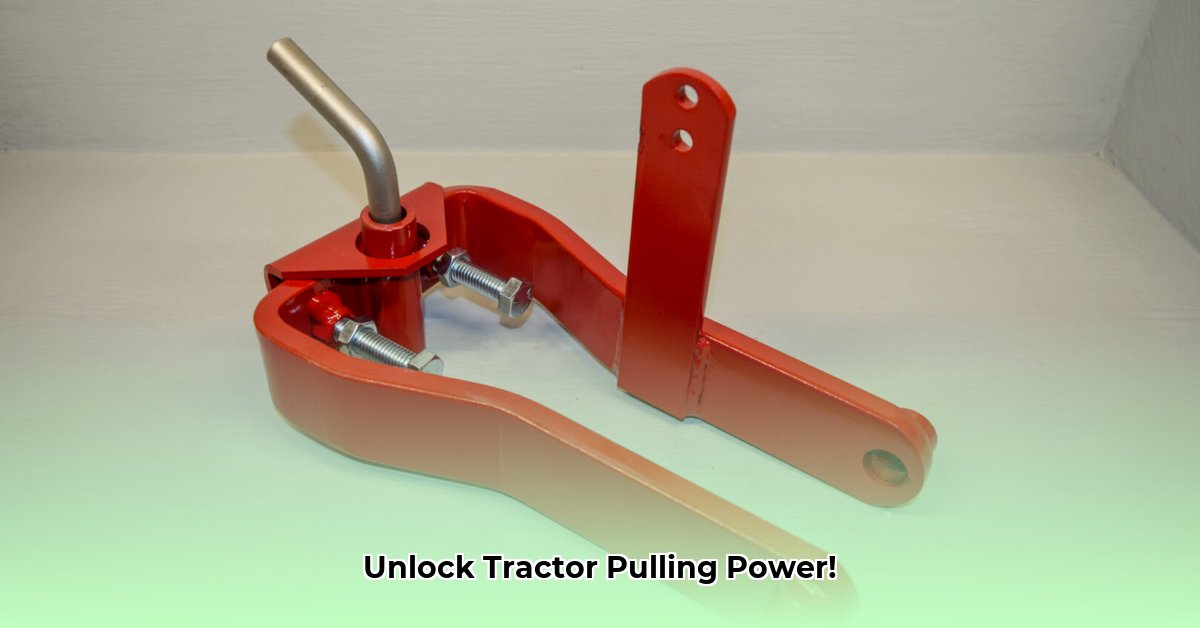
Understanding Clevis Hitches: The Backbone of Tractor Towing
Clevis hitches are crucial components connecting your tractor to towed implements, transferring power for plowing, hauling, and other agricultural tasks. Choosing the right hitch ensures efficient operation and, critically, safety. This guide provides a comprehensive overview of clevis hitches, from selection and installation to maintenance and safety. Understanding clevis hitch systems is key to maximizing your tractor's pulling power and ensuring efficient, safe operation. For additional tractor stability, check out tractor sway bars.
Types of Clevis Hitches: Fixed, Adjustable, and Capacity Considerations
Clevis hitches come in several varieties, each suited for specific applications. Understanding these differences is essential for selecting the right hitch for your needs.
Fixed Clevis Hitches
These offer a simple, strong connection ideal for straight-line towing. Their robust design and easy use make them popular choices for straightforward tasks.
Pros: Simple, durable, cost-effective, easy to maintain. Cons: Lack of adjustability limits versatility.
Adjustable Clevis Hitches
These provide greater flexibility for maneuvering in uneven terrain or tight spaces by allowing adjustments to the towing angle.
Pros: Versatile, adaptable to varying towing situations. Cons: More complex design, potentially higher cost, may require more frequent maintenance.
Weight Capacity: A Non-Negotiable Factor
Always prioritize the hitch's weight capacity rating (the maximum weight it can safely handle). Exceeding this capacity greatly increases the risk of catastrophic failure, leading to equipment damage, injuries, or even fatalities. Never compromise on safety. Always choose a hitch with a capacity exceeding the heaviest load you anticipate towing. How much weight can your tractor safely handle? Check your owner's manual!
Choosing the Right Clevis Hitch: A Decision-Making Framework
Selecting the appropriate clevis hitch involves careful consideration of several factors:
- Tractor's Towing Capacity: Consult your tractor's owner's manual to determine its maximum towing weight. Never exceed this limit.
- Typical Load Weight: Heavier loads require more robust hitches. Match the hitch's capacity to your usual towing needs. Lighter loads may only require a smaller, less expensive model.
- Terrain Conditions: Uneven terrain makes adjustable hitches more beneficial. For flat, consistent surfaces, a fixed hitch might suffice.
- Implement Compatibility: Ensure the hitch's pin diameter and design match your implements' connection points for a snug, safe fit. This compatibility check is crucial.
Installing and Using Your Clevis Hitch: A Step-by-Step Guide
Correct installation and use are paramount for safe operation. Follow these steps meticulously:
- Precise Alignment: Accurately align the hitch with your tractor's drawbar, ensuring a straight, secure connection.
- Secure Pin Insertion: Insert the hitch pin completely and firmly, using a cotter pin or clip to secure it against accidental dislodgement.
- Thorough Inspection: Before any towing, inspect the entire connection for any looseness or damage. Address any issues before proceeding.
- Test Run: Perform a light test tow in a safe, open area to verify proper functionality before heavier use.
Maintenance and Troubleshooting: Keeping Your Hitch in Top Condition
Regular maintenance extends the lifespan of your clevis hitch and prevents unexpected failures:
- Visual Inspection: Regularly inspect the hitch and pin for damage (bending, cracks, excessive wear) before each use. Replace damaged components immediately.
- Lubrication: Periodically lubricate the pin and hitch with an appropriate lubricant to minimize friction and wear. This simple step significantly extends the hitch's service life.
- Tightness Check: Regularly check all connections— including the pin and any securing mechanisms— for looseness.
Safety Regulations and Compliance: Understanding Local Requirements
Safety regulations concerning agricultural equipment vary by location. Consult your local agricultural extension office or relevant government agency to determine applicable regulations and labeling requirements in your area. Compliance not only protects you but prevents legal issues. Are there specific safety standards for clevis hitches where you operate? Check your local regulations.
Conclusion: Safe and Efficient Tractor Operation
Choosing, installing, and maintaining the correct clevis hitch is vital for safe and efficient tractor operation. By following this guide's recommendations, you can significantly improve your agricultural productivity while minimizing the risk of accidents and equipment damage. Remember, safety should always be your top priority. Regular maintenance, combined with a keen awareness of weight capacities and local safety regulations, will ensure years of reliable service from your clevis hitch.